Oxford Union's India-Pakistan Fiasco: How the Oxford Union President orchestrated anti-India narrative
What should have been a rigorous exchange of ideas at the Oxford Union instead unraveled into a tangle of mixed signals and political choreography. The India-Pakistan debate collapsed before it began, leaving participants and observers navigating a haze of conflicting accounts and unanswered questions. In the void where argument and intellect were meant to stand, only uncertainty took the podium. The Young Sapiens Network decodes this fiasco - distilling the facts, the fractures, and the quiet implications behind the spectacle. In a hall famed for clarity and conviction, this non-debate serves as a poetic reminder: sometimes the loudest silence shapes the story.
Anusha Shrivastava
12/3/20251 min read
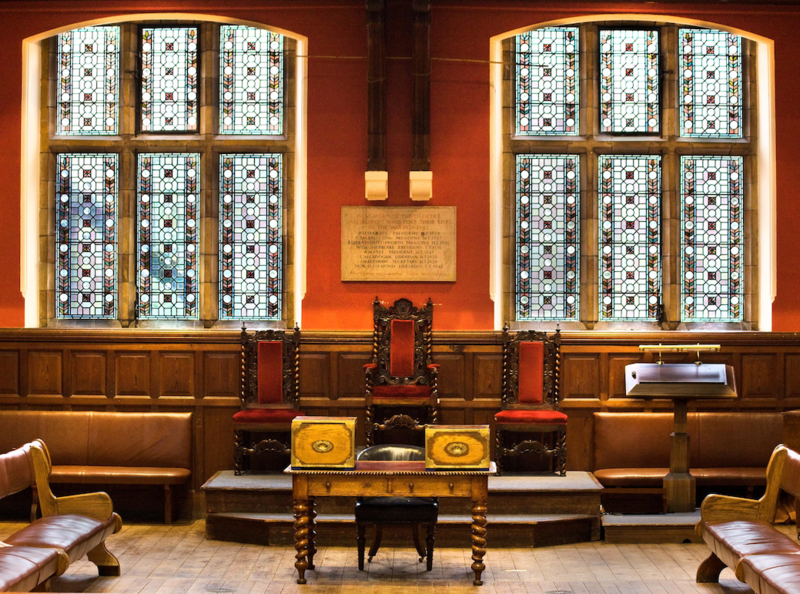
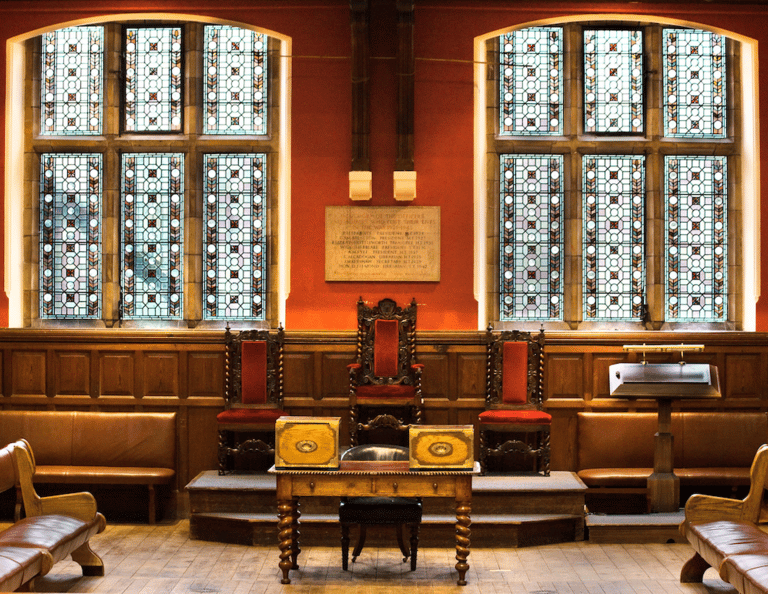
Last week’s much-anticipated Oxford Union debate on the motion “This House Believes India’s Policy Towards Pakistan Is a Populist Strategy Sold as Security Policy” ended not with speeches, but with scandal. Moosa Harraj, the Union’s President and son of Pakistan’s defence-production minister, orchestrated what Indian participants call a “sham stunt.”
According to J. Sai Deepak and Priyanka Chaturvedi, both confirmed as Indian speakers, the Union had re-arranged panelists after earlier drop-outs and they had boarded flights to London. Yet hours before the event, they were told that the Pakistani delegation had not arrived, prompting cancellation. It later emerged that the Pakistani team was, in fact, in Oxford and staying at a local hotel - a contradiction that casts serious doubt on the official narrative. “Trust the Pakistanis to make a pigsty even out of the @OxfordUnion. And as always, they are genetically incapable of being truthful,” Mr. Deepak commented on X.
Despite no debate ever happening, Pakistani authorities claimed a symbolic “victory,” prompting outrage from the Indian side, which described the episode as a calculated exercise in misinformation and showmanship.
What was meant to be a cerebral contest of ideas instead dissolved into a cautionary tale about how easily institutions can be bent by political choreography. For young observers, the fiasco is a reminder that when dialogue is replaced by theatrics, the loudest message is not spoken on stage but revealed in the cracks of credibility left behind.
Revolutionising Youth Media