From Feeds to Frontlines: How Social Media Shapes War and the Gen-Z
Changing display pictures, adding flags to bios, reposting infographic slides, often dismissed as performative, are not politically neutral acts. They are signals. When millions engage in the same symbolic language, it creates an ambient consensus, or at least the pressure of one. This is where symbolic digital behaviour matters.
Charu Singh
2/14/20262 min read
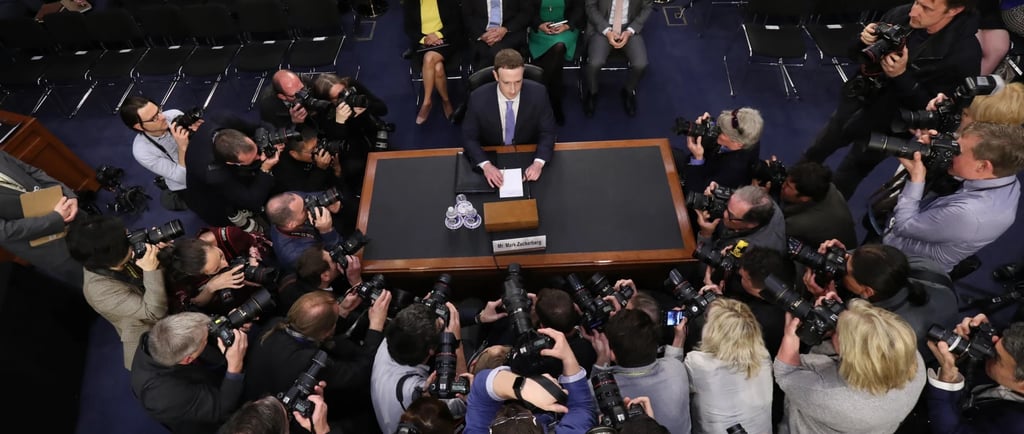
In the digital age, perception precedes power. Long before borders harden and troops mobilise, today’s conflicts are rehearsed online. Instagram stories, X threads, Telegram clips and viral reels become the opening battlefield - shaping who we sympathise with, who we distrust, and what feels morally urgent.
Social media has collapsed the distance between geopolitics and everyday life. Governments know this. So do non-state actors, influencers, and ordinary users armed with nothing more than a smartphone and a strong opinion. Algorithms privilege outrage, grief and moral certainty, pushing emotionally charged narratives far more aggressively than slow, contextual reporting. As a result, wars are increasingly fought in the realm of attention before they are fought on land because once public opinion crystallises online, it narrows the space for policy manoeuvre offline.
This is where symbolic digital behaviour matters. Changing display pictures, adding flags to bios, reposting infographic slides, often dismissed as performative, are not politically neutral acts. They are signals. When millions engage in the same symbolic language, it creates an ambient consensus, or at least the pressure of one.
Policymakers track these digital moods closely because online sentiment now shapes diplomatic tone, electoral risk, and international legitimacy. To understand why this works so powerfully, it helps to look at a parallel closer to home. The same digital architecture shaping war narratives is also shaping how young people understand themselves, most visibly in Gen Z’s relationship with mental health discourse. Anxiety, trauma, OCD and burnout have entered everyday vocabulary.
Awareness has expanded, but constant exposure to algorithm-driven mental health content has also normalised casual self-diagnosis. Complex psychological conditions are flattened into relatable symptoms, encouraging identification without evaluation. The connection is structural, not accidental. Platforms train users to process complexity through emotional immediacy. Whether it is a war reduced to heroes and villains, or mental health reduced to labels and checklists, the feed rewards what feels personal, legible and shareable, often at the expense of depth.
For a generation raised online, the challenge is not caring too much, but mistaking visibility for understanding. Because in an era where feeds shape foreign policy and self-identity alike, scrolling is no longer passive. It is political.
Revolutionising Youth Media.