
From Fake News to Fact-Checking: Strengthening Europe’s Democratic Resilience
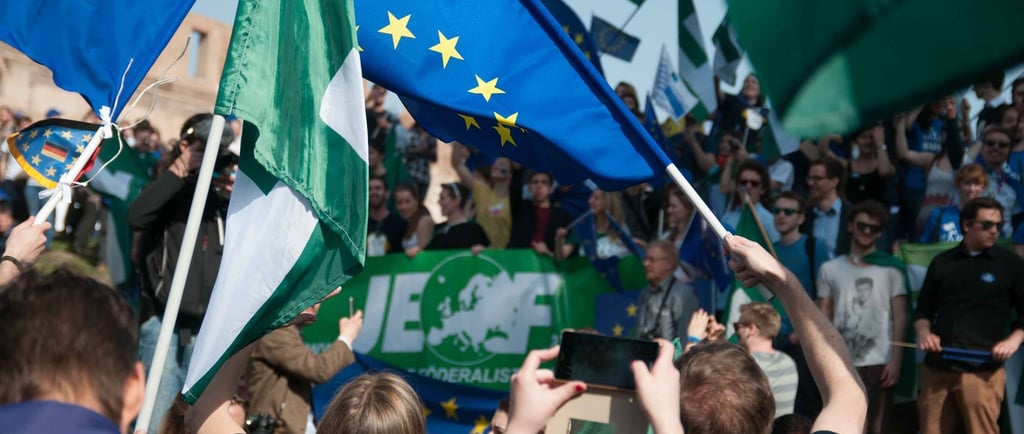
Populist politics increasingly relies on emotionally charged narratives that frame society as a struggle between “the people” and a corrupt elite, a dynamic amplified by the spread of fake news. Coordinated disinformation campaigns, particularly online, have targeted elections and public trust across Europe, reinforcing polarisation and undermining democratic institutions. In response, JEF Europe has implemented a range of media literacy and anti-disinformation initiatives, including journalist trainings, facilitator programmes, and youth-focused workshops across Europe. It works to empower young people to recognise and challenge disinformation, making it a vital actor in protecting informed public debate and democratic values in Europe.
Sudipto Chakraborty
12/27/20252 min read
Populist leaders often frame politics as a battle between “the pure people” and a corrupt elite, a narrative that thrives on emotionally-charged misinformation. Fake news enhances this divide by spreading sensationalized or malicious content that reinforces existing biases and distrust in traditional institutions.
European Parliament briefings show that coordinated disinformation campaigns have increasingly targeted elections and public trust, shaping narratives that benefit populist agendas at the expense of facts and social cohesion.
European citizens overwhelmingly perceive fake news as a threat to democracy, with surveys showing most Europeans encountering false information frequently online. Populist leaders exploit this environment by framing political struggles as battles between “the people” and the so-called corrupt elite, often amplifying misleading narratives that deepen social divisions and weaken faith in institutions. Empirical research shows that certain populist politicians are more likely to spread misinformation on platforms like X, using it strategically to destabilize democratic debate and gain political traction.
JEF Europe has organised and taken part in several workshops and trainings to counter dis-information and strengthen media literacy, including the Check’Europe Media Training in Brussels, which equipped journalists and media students with tools to identify false information and apply fact-checking during election periods; “Faker Fighters: Media Literacy in a European Perspective,” a training for facilitators to build a Europe-wide pool of media literacy educators; and media literacy and freedom of expression capacity-building seminars focused on non-formal education and journalistic skills for young volunteers.
In addition, national JEF sections have run interactive workshops on misinformation and critical thinking, including those within youth seminars such as Euroskeptical, aimed at countering EU-related disinformation.
Through its consistent advocacy, education, and grassroots action, JEF Europe plays a vital role in safeguarding democratic values and informed public debate across Europe. By empowering young people with the skills to recognise and challenge disinformation, the organisation strengthens democratic resilience from the ground up. At a time when fake news and populist manipulation threaten trust in institutions and societies, JEF Europe’s work remains not only relevant but essential. Its commitment to truth, critical thinking, and a united Europe makes the organisation a cornerstone of a healthier, more informed democratic future.

Revolutionising Youth Media